Today on my first blog post, I will be giving my opinion on whether or not grade 12 University level English is a necessary requirement for entry into all university programs.
Photo taken by Pixabay. Student is looking down and tired behind a large stack of books.
Should grade 12 University level English be a requirement for entry into all University programs?
I pondered about this question before. ‘Do I really need English if I want to further study subjects such as Mathematics, or any branch of Science, or even programming?’ You have to really think about it. Canada is bilingual and its main language is English, English has been established as a universal language, and English is the third most spoken language worldwide. So in order to be viable in the ‘real’ world you must be proficient in English. Hence …
To start things off, in my opinion, all university courses should have it as a requirement to pass University level English that are offered in high schools.
The more I asked myself that question, the more I thought I knew the answer. Then the answer came to me, instead of enlightening and satisfying me, it hit me like a brick. The more I looked around the more I realised that English is practically everywhere. Writing creatively to convey your thoughts and emotions brings an intrigue to one’s character; a wide vocabulary is required in describing your situation with accuracy and efficiency. English is a useful tool and the University level English course is just another hurdle to help you raise your standards. Thus it should be viewed as more of a reflection, mirroring that of University levels of understatement and thought process.
To make a difference you must be able to present yourself and your ideas, while also defending them. To sell a product or convince an audience, a well-off comprehension of English is required. To sway masses and conclude findings, usually in the forms of essays, persuasiveness paragraphs, or adverts. To be able to create my own works of literature will help me to create more meaningful works in other subjects. Thusly, English can help me to communicate with others who understand the ideas. Communication is a powerful tool, when misunderstood it can have disastrous consequences. Communication is very sought after that we built a World Wide Web to communicate and interact with one another simultaneously. This course should allow me to do what was described and more.
Regardless of what I do in the future, English will always be rooted in my life and will always be used to describe my standing in the world.
I wholeheartedly believe that the grade 12 University level English course should be a requirement for entry into all university programs. The course should be viewed as evidence to determine if you are able to handle the workload and posse the proficiency of University English.
“19 Motivational Quotes to Keep You Learning English.” EF English Live, 3 Apr. 2019, englishlive.ef.com/blog/english-in-the-real-world/19-motivational-quotes-keep-learning-english/.
This will be my final blog post as seeing July is almost over and school is quickly approaching.
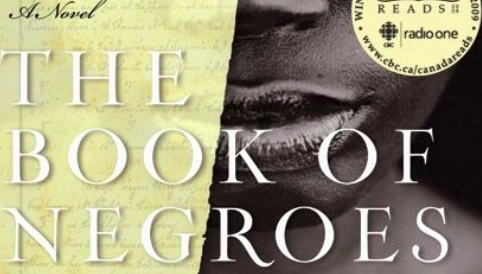
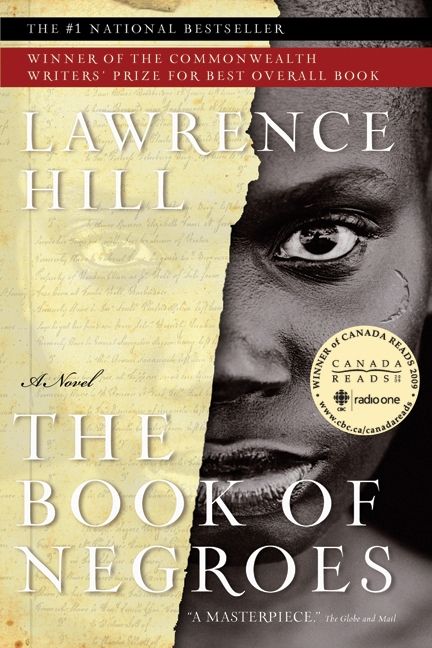
Lawrence Hill’s The Book of Negroes is, indisputably, a fascinating book filled with many emotional scenes and strongly defined characters. I can NOT express my feelings enough.
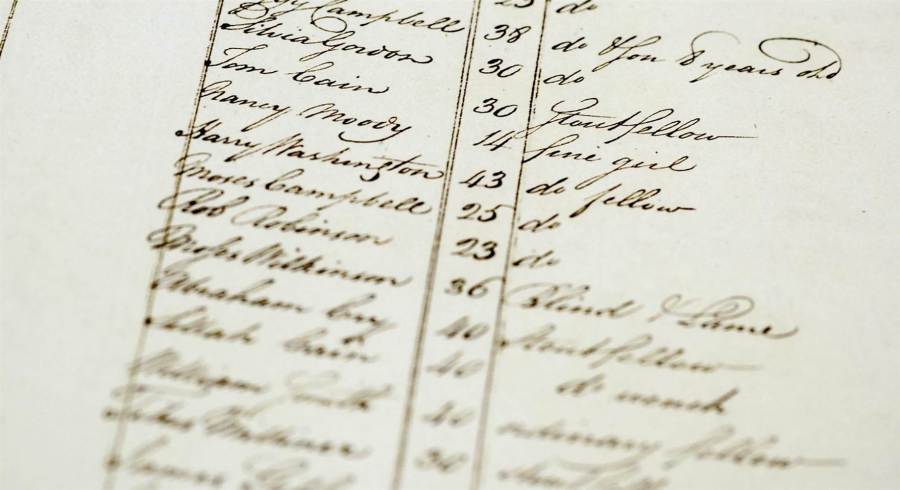
The story is based on a document called “The book of negroes”, which a list of black British loyalists who helped the British when the thirteen colonies wanted independence. How cool! Right?
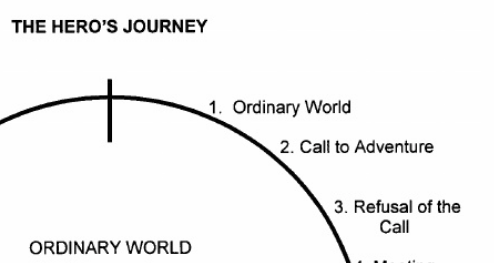
The book is eminently described by Carl Gustav Jung’s archetypal theory seeing as it follows Joseph Campbell’s “The Hero’s Journey”, it has recognizable cliche characters and it is filled with archetypes and symbols.
Aminata’s story follows Joseph Campbell’s “The Hero’s Journey” word to word. The story follows Aminata’s journey of self-discovery and identity crisis. Along the way, Aminata interacts and survives with many distinguishable characters who are vital for Aminata’s endurance and character development. Although, Aminata gets enslaved and finds freedom at the end; it, oddly enough, falls within the hero archetype.
Late into the book, Aminata faces her biggest task, her “approach”. Working with and trusting a slave-trader.
That’s right. Aminata Diallo, who was once a slave, trusts a her worst enemy. Aminata wished to travel back to her village in Bayo, and the only sure-fire way to get there is with a finely acquainted guide who is familiar with the land. The only people who fit this description are slave-traders.
The trek was long and cruel on Aminata’s aged body. As a result, she slowed down the group so much that they, not surprisingly, planned to resell her again into the slave business (Hill 439). This was her “crisis”. Aminata wins this “crisis” by escaping at night and reaching a village not far from the shore of Sierra Leone.
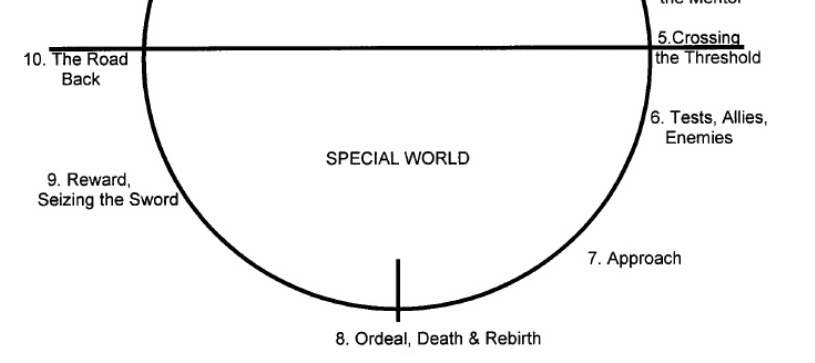
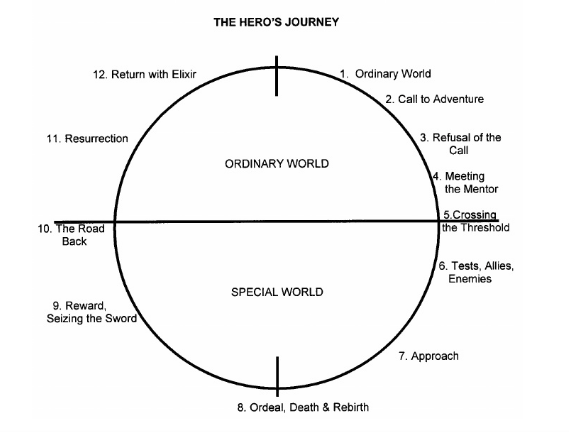
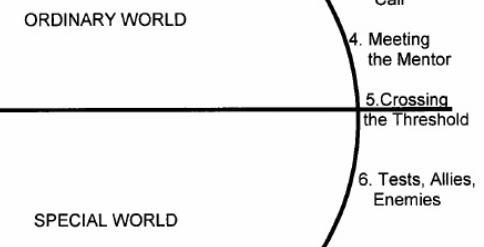
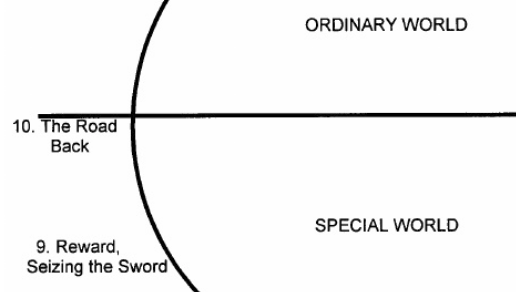
Image from SCRIBDpage four. Image of the special world revolution.
There she attains the “treasure” of being with a native village undisturbed by the slave-traders, re-living a simpler life independent from higher powers. All that time spent in the village makes Aminata realize that in order to evoke change, she must do it herself. So, she travels back to the coast on her own as the “return” and without rest crosses the waters once again for a “new life”, this time to the United Kingdom.
“And thus, I made one last discovery. It was almost impossible to get into Africa, but easy to be taken out” (Hill 447).
Then later for the “return with elixir”, Aminata writes down her life as a story to put an end to the slave-trading business. This is all a display of valiant, selfless acts from Aminata.
Onward to other archetypes. Georgia fills ‘The Great Mother’ archetype. Georgia is the first person Aminata trusts after her enslavement. Georgia grew up on the plantation field, giving her insight that Aminata doesn’t have.
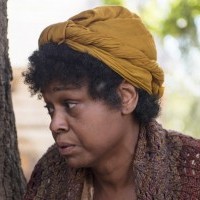
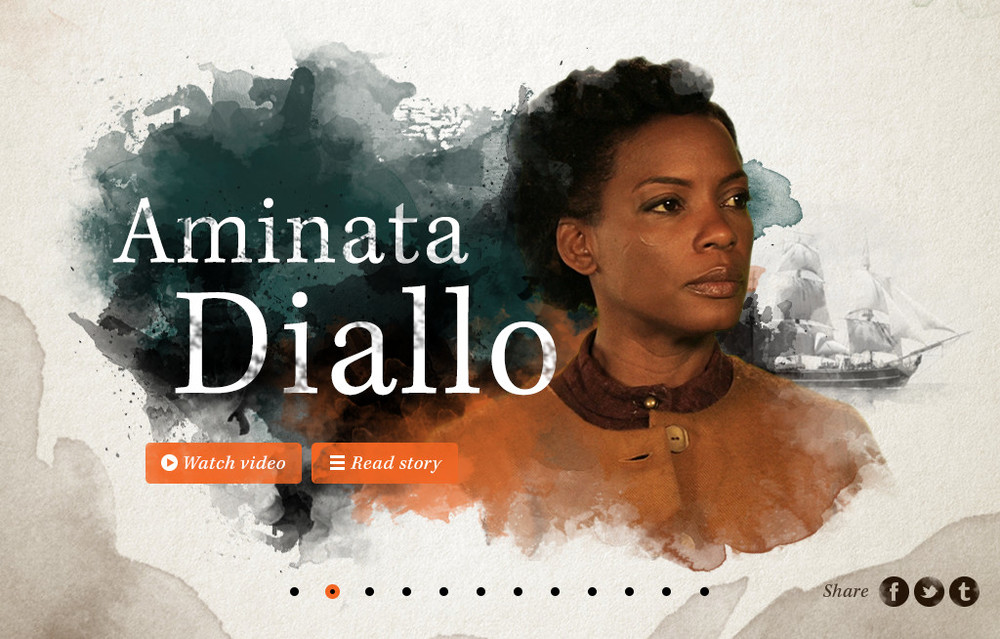
Image found on CBC. Image is a live action depiction of Georgia.
Georgia becomes the caretaker of Aminata and almost a second mother. Georgia protected and looked over Aminata, and taught her the language of the Negroes, how to bargain and what herbs are useful as medicine. Georgia also introduced Aminata to the “Fish Net” – a system for blacks to secretly connect, share and communicate with others across a wide range (Hill 141).
Georgia wanted the best for Aminata but knew her intellect can harm her: “‘But watch out, girl. You know too much, someone kill you’ [Georgia said]” (Hill 143). Georgia taught Aminata the lifestyle of slaves, just as Aminata’s mother taught Aminata the lifestyle of the villagers.
Finally, there are a bunch of symbols that Hill uses to tell the reader of a character’s fate without actually spelling it out for the reader. The crescent moon, for example, etched on Aminata’s face is also an archetype. Crescent moon is the symbol of change and transition. This happened so many times that Aminata acknowledges this saying “‘We [blacks] are travelling peoples, as you say so well, and you [Aminata] are one of the travellest of them all'” (Hill 319). Throughout the entire book, Aminata is constantly moving homes, towns and even Continents; not Knowing where home is, how sad!
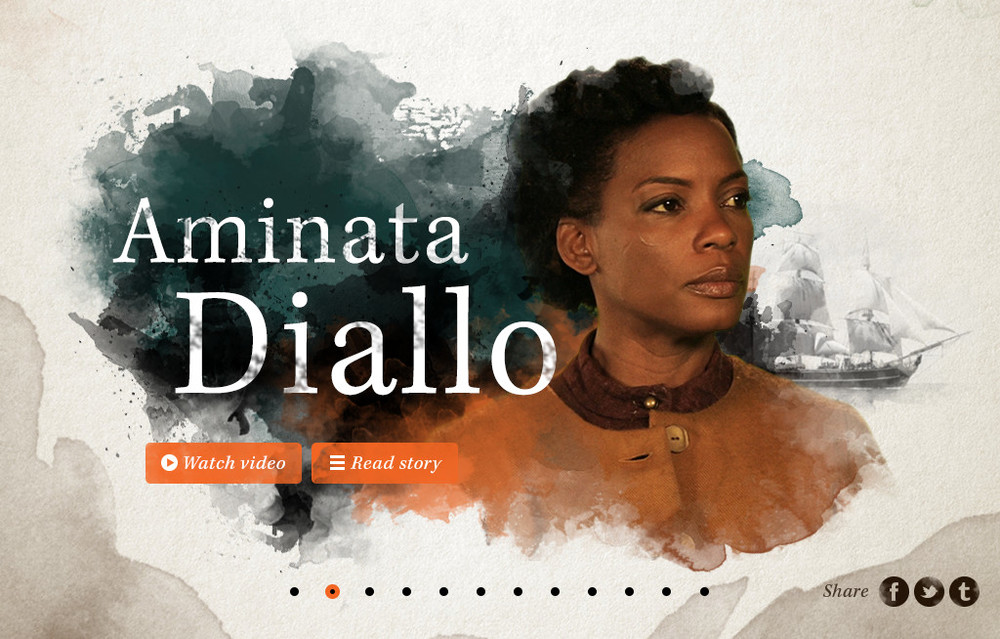
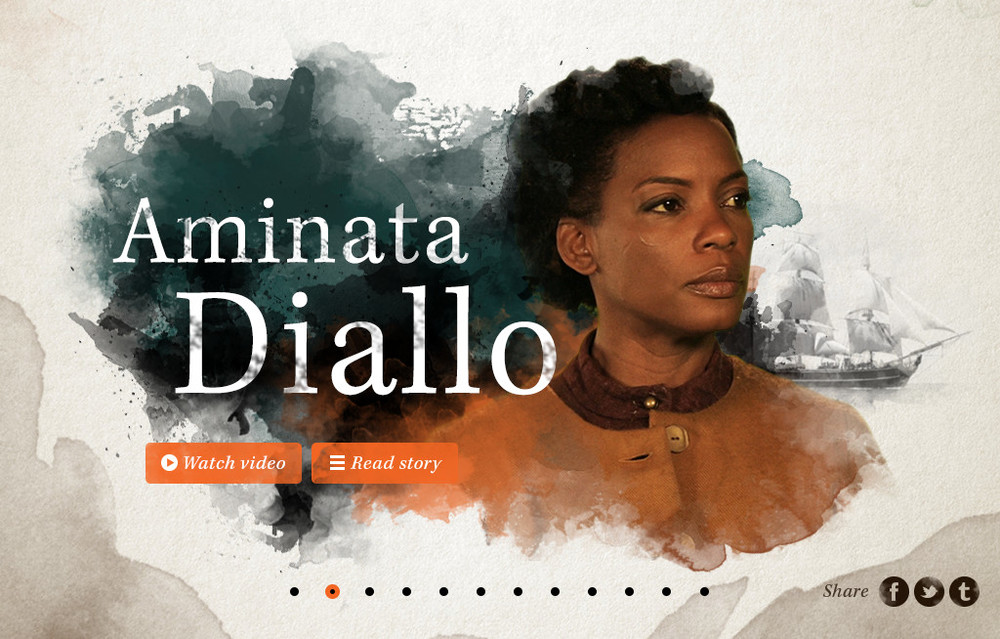
Image found on MARK ROZELUK. Image is a live action depiction of Aminata Diallo. Notice the indent of her cheeks.
Hill, Lawrence. The Book of Negroes. Atlantic Provinces Special Education Authority, Library, 2017.“Lawrence Hill Author.” Lawrence Hill, http://www.lawrencehill.com/.
Lawrence Hill‘s The Book of Negroes is filled with many archetypes. So after having finished his book, I thought it would be a fun idea to analyze his text using archetypal literary theory.
If I were to assign archetypes such as ‘The Hero’, ‘The Great Mother’, and ‘The Wise Old Man’ to the characters in the book it would go like so: Aminata as ‘The hero’ and how she followed the ‘Hero’s Journey Wheel’, Georgia as ‘The Great Mother’, and Daddy Moses as ‘The Wise Old Man’.
I will use the ‘Hero’s Journey Wheel’ to analyze Aminata and the journey that she explores. I will try to stay as true as possible to the ‘Hero’s Journey Wheel’. Aminata loops the wheel several times throughout the book and the book itself is a massive wheel. The most notable ones are: when she is crossing the Atlantic, when she was working on a plantation in South Carolina, and when she traveled to Nova Scotia.
Aminata may not be the traditional hero, but she very well closely resembles “the underdog” type hero. Aminata’s story mirrors that of the ‘Hero’s Journey Wheel’. In such that Aminata begins in familiar grounds – her home in the village of Bayo in Africa – whence Aminata is stolen away from her home, she begins the journey from innocence to experience. Aminata has encountered many life-threatening events, from scorpions to baboons to the harsh environment of the sea and the poor conditions that ships in the 17 hundreds were in.
Aminata’s ‘Call To Adventure’ isn’t a call, rather she was forced onto the journey by slave-traders. Which also was her ‘Refusal Of The Call’ since Aminata didn’t go willingly. Aminata, before she was captured, had her parents guide her and give her life lessons. During the entire ordeal, Aminata remembers what her parents taught her and reassures herself in that way.
Aminata crosses ‘The Threshold’ several times. The most notable one being when she got on the boat to be taken to Bunce Island, where her allies were the enslaved from Africa and her enemies were the slave-traders who Aminata had to comply with. Aminata’s dangerous test was to survive on a ship full of feces, urine, and bodies; she had to endure see-sickness, the weather and the treatment of the sailors (Hill 67).
Aminata’s ‘Death & Rebirth’ happened when the slaves tried to rebel and broke out into a fight. Aminata quickly finds herself caught in the crossfire and pinned down by a corpse while her hair was pierced by a sword; “He [the corpse] tumbled over me, covering me, bleeding on me, pinnig me.” (Hill 91) The ‘Rebirth’ part happened when her body was about to collapse, Georgia (The Great Mother) tends to her on Robinson Appleby’s plantation. Now instead of receiving a reward, Aminata starts over again at the ‘Tests, Allies, Enemies’ part of the wheel. The enemies and allies remain the same, except their names change, and Aminata’s test is surviving the weather of South Caroline, enduring RobinsonAppleby’s abuse and working on the plantation.
As a ‘Seizing The Sword’ archetype, Aminata is now rewarded by learning to read, speak and write proper English. Something that only less than a few blacks were able to accomplish.
Aminata’s ‘The Road Back’ archetype is when she became the grand Djeli, storyteller, of the school her daughter owns (Hills 469). Aminata, after traveling practically half of the entire world, comes to rest in London, England. There she is reunited with her long lost daughter as the ‘Seizing The Sword’ archetype. As for the ‘Return With Elixir’ archetype, Aminata writes an autobiography, detailing everything Aminata experiences and learns, and publishes it for the world to read as means of ending the trade-in-slaves.
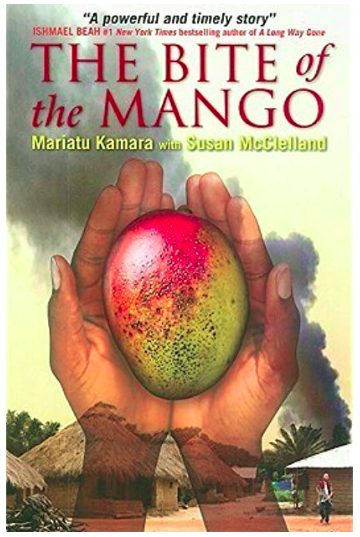
While reading this book, Aminata’s circumstances reminded me of the protagonist in The Bite Of The Mango. The protagonists of both books are both Africans girls that are on the hunt and have somewhat of a tie the Islamic religion. Both protagonists manage to find their way into North America all the way from Africa while surviving on there own.
Cover of book of The Bite Of The Mango
I thought Georgia would fill ‘The Great Mother’ archetype, Georgia is the first person Aminata trusts after her enslavement. Georgia grew up on the plantation field, giving her insight that Aminata doesn’t have. Georgia becomes the caretaker of Aminata and almost a second mother. Georgia protected and looked over Aminata, Georgia taught her the language of the Negroes, how to bargain and what herbs are useful as medicine. Georgia also introduced Aminata to the “Fish Net” – a system for blacks to secretly connect, share and communicate with others across a wide range (Hill 141). Georgia wanted the best for Aminata but knew her intellect can harm her: “‘But watch out, girl. You know too much, someone kill you'[Georgia said]” (Hill 143). Georgia taught Aminata the lifestyle of slaves, just as Aminata’s mother taught Aminata the lifestyle of the villagers.
If was to compare Georgia to another ‘The Great Mother’ character. The most prominent example is the godmother from Cinderella. Georgia, very clearly, plays a supportive mother-like role in Aminata’s life by reviving Aminata’s spirit and teaching her the values needed to survive. Similarly, the Godmother in Cinderella lifts up Cinderella’s spirit by getting Cinderella to the ball.
Daddy Moses very well portrays ‘The Wise Old Man’. Daddy Moses is a blind priest of a small chapel. Daddy Moses teaches Aminata how to build up her spirit and how to stay positive. Though Daddy Moses is a preacher of Christian faith and Aminata is Muslim, Aminata still grew attached to him because of his loving soul. “He [Daddy Moses] took my [Aminata] hands and turned me as if he could see deep into my eyes [(Daddy Moses is blind)]. ‘But you are good, Meena. So many people love you.'” (Hill 350). This just goes to show how wise he is since he does not need to see to teach others, instead Daddy Moses teaches off of his experience.
Image found on MARK ROZELUK. Image is a live action depection of Aminata Diallo. Notice the indent of her cheeks.
The crescent moon etched on Aminata’s face is also an archetype. Crescent moon is the symbol of change and transition. Throughout the entire book, Aminata is also moving homes, towns and even Continents. This happened so many times that Aminata acknowledges this saying “‘We [blacks] are travelling peoples, as you say so well, and you [Aminata] are one of the travellest of them all'” (Hill 319).
(GIF) Anonymous. “Cinderella (1950) – Create, Discover and Share Awesome GIFs on Gfycat.” Gfycat, 29 Aug. 2015, gfycat.com/fragrantblackargentinehornedfrog.
Hill, Lawrence. The Book of Negroes. Atlantic Provinces Special Education Authority, Library, 2017.“Lawrence Hill Author.” Lawrence Hill, http://www.lawrencehill.com/.
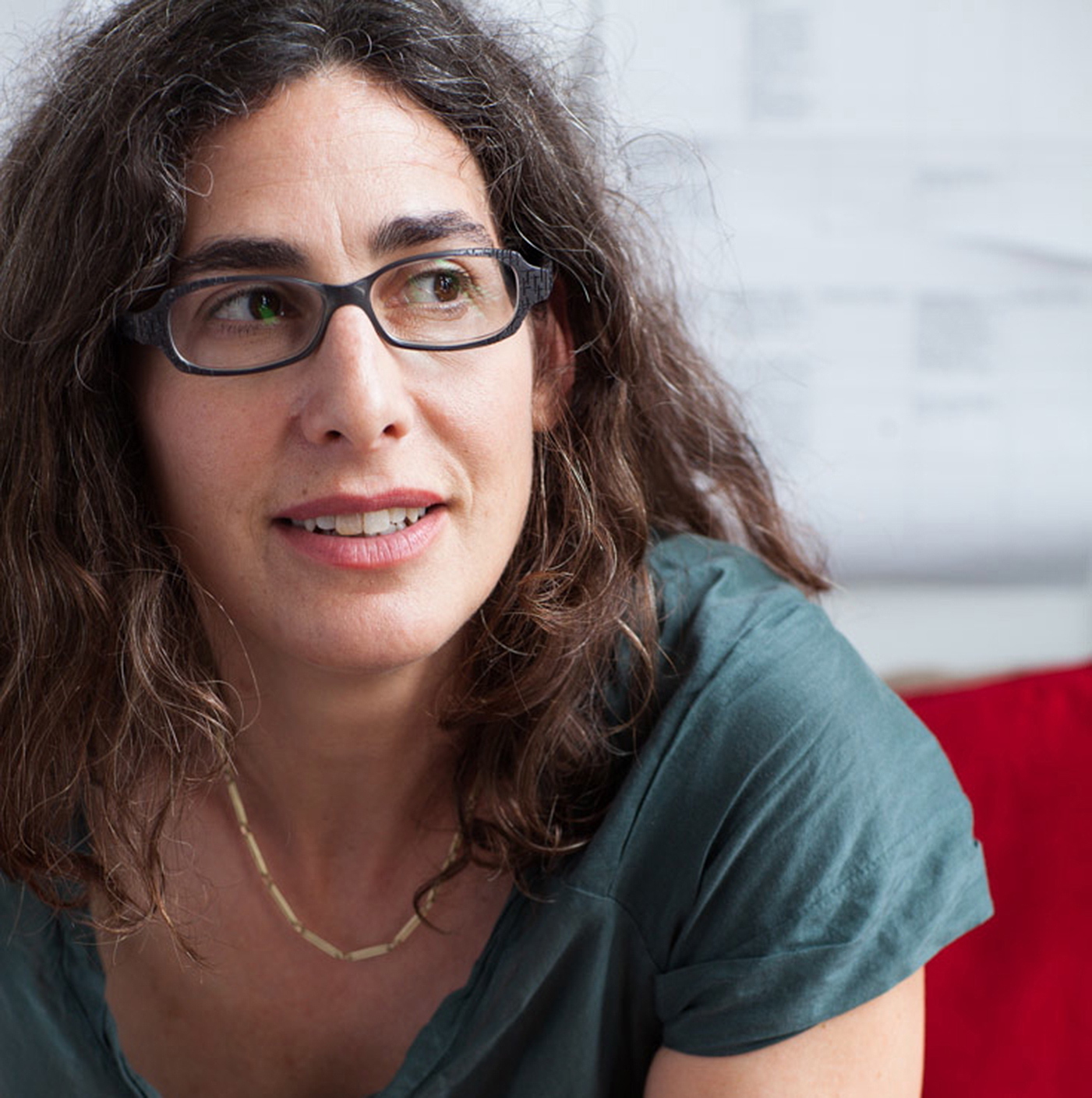
This post is going to be about my verdict on the innocence of Adnan Syed from the Serial podcast by Sarah Koenig. I highly recommend checking out the three seasons by clicking here.
This post is an expansion on my previous post on “Serial”. You check that out here.
I haven’t been able to finish all the episodes released by Sarah Koenig, so my knowledge might have some gaps in it.
Today, in this post I will try to convince you that Adnan Syed was not only put into prison without a fair trial, but was wrongfully convicted. Every episode (that I have listened to) of Sarah Koenig’s podcast seems to pull you into your chair. Every time one question is answered, two more appear in its place. One mystery after the other, digging further into other sources that talked about Adnan, it all becomes very coincidental. To make things worse, the Court of Appeals, Maryland’s highest court, has denied Adnan Syed of a well deserved new trial with all the new evidence that support.
Seal of the Court of Special Appeals of Maryland
I can’t imagine myself in a situation where I would be convicted for something I haven’t done, or wasn’t physically there to witness; to only be convicted by your friend – someone you can rely on in hardship and trust your things with. It just feels wrong. Why would Jay Wilds tell the story the way he did? Was he under the influence of some drug he took on that day, and that’s all he remembers? Or could it possibly be that Jay Wilds has something against Adnan, so Jay Wilds wanted him out of the picture?
Picture of Hae Min Lee
For those who still don’t know the story, here is a brief overview: On the 13th of January, 1999, in Baltimore County, Maryland, a high school senior student by the name of Hae Min Lee, goes missing after school. Hae Min Lee was found six weeks later, manually strangled to death. No rope, no nothing, just someone’s bare hands. At the same time, in that 21-minute frame, Adnan Syed is accounted for to be in two places. One version is by Jay Wilds saying Adnan was at the crime scene and he killed Hae Min Lee. The other is by Asia Mcclain, saying she, her boyfriend, and his friend had seen Adnan at the campus library not murdering anyone. Unfortunately, Asia mysteriously disappeared before the trial, changing houses and moving out. So who’s right?
Furthermore, an autopsy report confirmed that Hae Min Lee was murdered on January 13th, 1999 between the times of 2:15 p.m. to 2:36 p.m.. However, there was no physical evidence linking Adnan to Hae Min Lee, or the place of murder, or the burial site. There was no evidence collected from Hae Min Lee’s body at the time, nor was there any evidence of Hae Min Lee’s prints on Adnan’s body.
Adnan’s case was handled by criminal defense attorney Cristina Gutierrez, who is believed to have purposely thrown Adnan’s case. Cristina Gutierrez died shortly, a few years afterwards, leaving more loose ends.
To begin, Asia McClain, a possible alibi witness, was completely left out of the story. The defense attorney didn’t even mention or attempt to contact Asia at all. Asia wrote letters relating to that day, which seems to be the only physical evidence so far. These letters mentioned that Asia saw Adnan at the campus library. In the first episode of “Serial”, Sarah Koenig talks about the faults of the human memory and if something significant happens in a day, people tend to remember that entire day with a bit more clarity. This could mean that Asia did write those letters about that day. Since Asia was never contacted, this is evidence that something was wrong with Adnan’s trial.
What’s more coincidental is that there was a huge snowstorm that closed down schools and possibly streets, which called for a national emergency. Another possibility, is the body could have been affected by the weather, throwing off the autopsy record. Oddly, the state only used Jay Wilds’ story to convict Adnan, no other person was against or with Adnan. Jay Wilds told his story six times, each time changing a significant detail, either in front of friends, the police, or even during his hearing. What’s most surprising is that Jay Wilds, off tape, said that he doesn’t know anything about the murder.
Jay Wilds
Later on, while re-listening to Jay Wilds’ account of the story, I began to notice that the detective was pushing Jay Wilds to draw out a conclusion. Under stress, people can break down and tell false information. What seemed off was that the detective wanted to make Jay Wilds say that Adnan had planned this all out. From Jay Wilds’ story, after strangling Hae Min Lee, they went strolling around and smoked pot for a couple of minutes. Then, they headed back to the school between 3:00 p.m. and 3:30 p.m. for Adnan’s track practice. If they did all of that, Adnan would have missed his track practice. The detective also pressed for Jay Wilds to say that Adnan gloated about killing Hae Min Lee. In addition, the detective pushed about the amount of work Jay Wilds did digging the hole that covered Hae Min Lee. What interested me the most is that the detective didn’t ask ‘why didn’t Jay Wilds try to escape’. I am quite aware that Jay Wilds’ accounts constantly changed, which is why they pressed him. However, that may have stressed Jay Wilds which would have led him to say what he thought the police wanted to hear, in order to get the police off of his back.
In the end, The cops only took his changing story because it was the most convenient, and no one else was speaking against it. Like this, Adnan was wrongfully convicted and was forced to unjustly serve 19 years of his life in prison.
Recently I’ve been reading “The Book Of Negroes” by Lawrence Hill, I’ve been enjoying it. So today I will analyse the book through a ‘Readers Response’ Lens.
When I began reading “The Book Of Negroes” written by Lawrence Hill, I thought the story was just going to take place primarily in Africa, then end in London. It gave the appearance of just the life of a calm African woman named Aminata Diallo, whose village was raided and had to survive in the barren desert-scape. All of this seemed quite rather uninteresting to me.
Yet, I kept reading and I am glad I did, because after the gruesomely detailed capture and transport of Aminata, the story got interesting with various ups and downs instead of just being always in conflict. The story is very realistic and descriptive. Thus, I was able to relate to Aminata’s struggles when she is being relocated even though I had never experienced being rounded up. This story is an excellent depiction of the slave trade.
Additionally, I didn’t give much notice to the title when I began reading, turns out the title is referencing the books Aminata writes to document her life. Writing may not seem all that interesting nowadays; nevertheless, writing or any indication of higher intelligence is something that was not allowed for a slave at that time. “‘But watch out, girl. You know too much, someone kill you'[Georgia said]” (Hill 143). Aminata wrote four books and they are represented as the four major turning points that section off the book; hence, the name of the title: “The Book Of Negroes”.
Although I did have the issue of Aminata being unrealistically capable and strong-willed at around the age of 8-10 years, and manages to shake off death almost immediately which has claimed so many lives: “‘You [Aminata] are one of the lucky ones,’ he [Chekura] said. ‘A big boat is waiting, and nearly full. All of you will be sold and will travel across the water in very short time.’ […] ‘Others will have been on that ship for moons. Dying, slowly, as it fills. But you will not have to wait.'” (Hill 50). I understand why Hill did so and gave Aminata plot armour to tell her tale. It is very improbable for someone at her age to travel the African desert for days, then get sick in a boat filled to the brim with people, faeces and disease, only to survive it all.
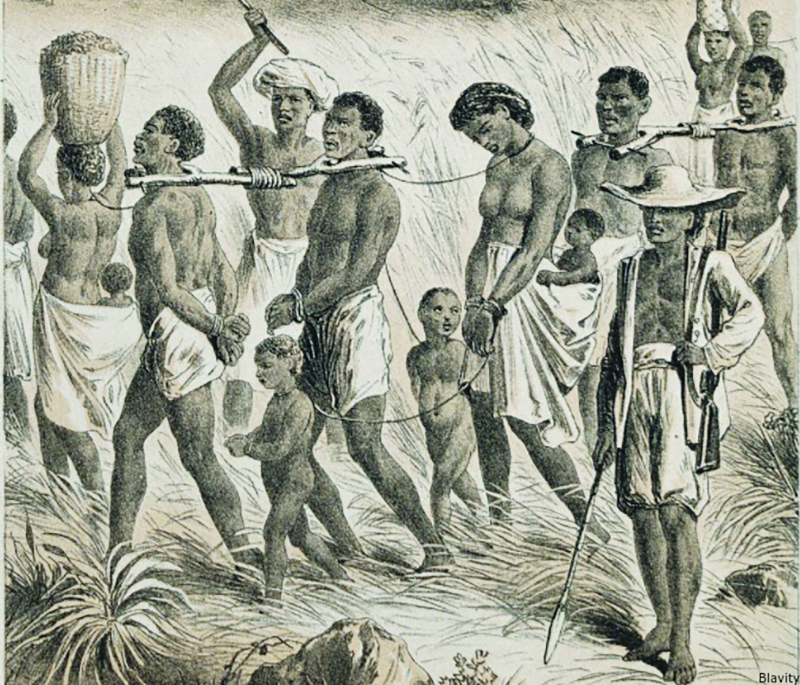
Image found on Post News Group. Image depicts the voyage of the slaves
Furthermore, I found myself filling in gaps throughout my reading. Perhaps they were filled in later as Aminata grew up. The first gap I was filling was the religion that Aminata expresses and its implications elsewhere in the world. Islam is mentioned as the religion of her father, and all she knows comes from her father who died when Aminata was being transported. When she was captured she exclaimed: “‘This is a mistake’ I [Aminata] said. ‘I am a freeborn Muslim. Let me go!'” (Hill 25). By freeborn, she is referring to the idea that Muslims can’t take slaves nor become slaves.
Another gap was the use of the cycle of the moon as a calendar as opposed to the Georgian calendar. In Islam the lunar calendar is used in favour of the Georgian calendar, counting moons and marking the various states that the moon shows. “‘Baby soon,’ I [Aminata] said to the toubab inspector. ‘Baby when?’ he asked. ‘ One moon,’ I said.” (Hill 61). Instead of saying one day Aminata said one moon, that’s because she was taught to count the moons and remember each rain season she has experienced.
All in all, it was fun reading “The Book Of Negroes” and applying the Readers Response theory to it.
_________________________________________________
Works Cited
Hill, Lawrence. The Book of Negroes. Atlantic Provinces Special Education Authority, Library, 2017.“Lawrence Hill Author.” Lawrence Hill, http://www.lawrencehill.com/.
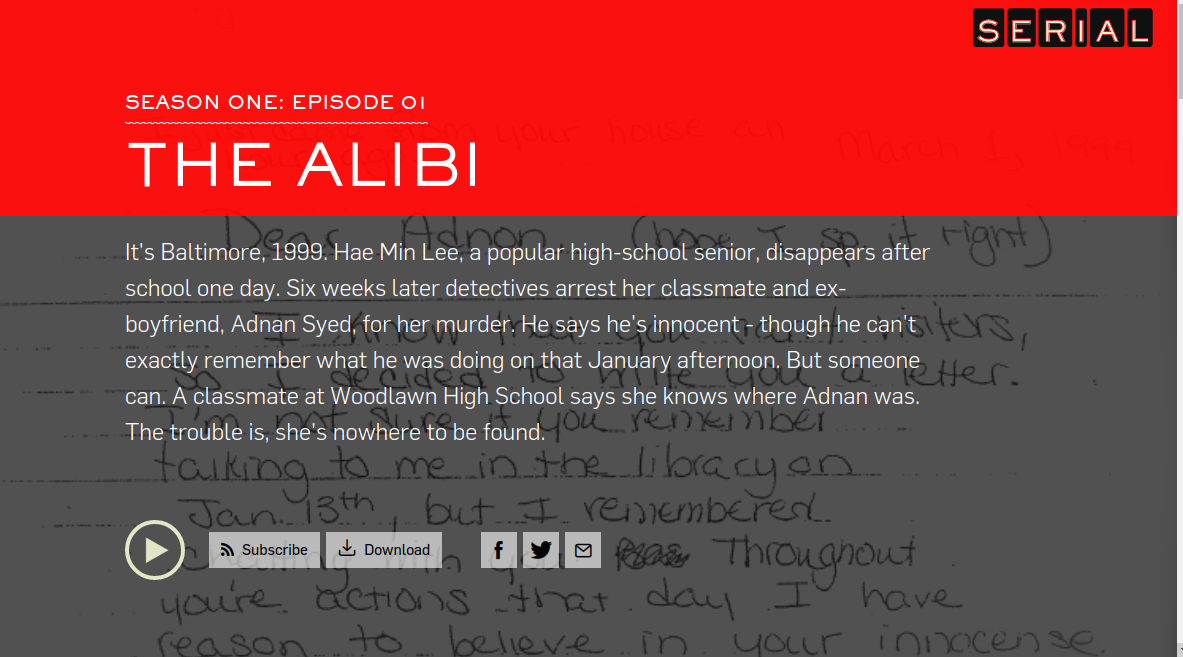
Sarah’s podcast is an attempt to make sense of Adnan’s odd case while raising awareness for Adnan himself. Adnan was accused and convicted of manually strangling Hae Min Lee, his ex-girlfriend, in 1999 at around 2:30 to 2:45. Adnan was impassioned unjustly due to a bad lawyer who was suspected to throw the case intentionally.
I have only listened to the first episode of the first season, so most of my knowledge will be drawn from there.
After listening to the first episode I was immediately hooked. I needed to know all the possible details, everyone’s perspective, side to the story, and their reactions. I enjoyed the podcast so far because it is filled with a lot of mystery and you never now what’s going to happen next, what the people who were interviewed are going to say, and so on. I am fascinated by mysteries and investigations. Also, the way Sarah Koenig presented all the information kept me wanting more. I was on the edge of my seat throughout the first episode.
Photo taken by Pixabay. Photo of a podcast recording.
I personally prefer to listen to a text rather than reading it. I like this audio-logs format that present Sarah’s investigative journalism instead of a boring blog post with a couple of audio recordings and images. Though there are some drawbacks, some of which include the fact that there is nothing to see, no visual aid, no text to read and no possible way to check for the spelling of proper nouns.
However the upside make up for all the drawbacks. The biggest benefit is that there is no need to do work, I can sit back relax and enjoy what is being said. Also, this form of media allows for music to be played which heavily influences the mood of the listener. Since I wasn’t using my eyes to process images, I instead got creative and manifested my own imagery.
Photo taken by Fancycrave.com. Photo of old photographs representing memories.
Sarah Koenig decided to open the episode I listened to by discussing the challenges of memory. I wouldn’t blame her for doing so, she is just setting up the premise where the people she is going to interview aren’t going to be able to remember everything that happened on that faithful day. It’s only human nature to forget, I tend to forget some details of what happened yesterday, by the end of the week I would have forgotten pretty much everything that happened that day. Unfortunately, by doing so this meant that what is being said could be a complete fabrication, since no can clearly remember the exact events that transpired and the technology was outdated so that recordings are no longer available. On the contrary, the fact that people forget just gave me another reason to continue listening so that I may sharpen my detective skills.
I’d imagine Adnan’s family might be a little skeptic and a little angry to find out that there personal matters are out on the internet, alongside all the secrets Adnan hid from his family. However, since the podcast became popular, it helped raise awareness for Adnan’s situation and how possibly the judicial system is flawed in certain ways.






 Ahmad's Blog Posts

